Expanding the Cinematographer’s Toolkit
As part of my PhD research, I’m currently working on a short film, experimenting with how Gaussian Splats can be integrated into both Previs and final shots within a VFX project.
This builds on work from last year’s Animal Logic Acadamy short film Occupational Hazard, where the team first introduced splats as a Previs tool. What started as a way to block cameras and explore environments has now expanded into an integral part of the cinematography and VFX workflow.
For the VFX team these new tools offer more creative freedom in post production, while on set they introduce a more complex reality; changing where decisions on shot selection are made, and who is responsible for them.
From Previs to Production Tool
On Occupational Hazard, we initially used Gaussian Splats as a Previs tool. We were able to replicate real world environments in 3D space, then explore camera angles, lenses and blocking so when it came time to film we knew exactly where and how to capture the shots.
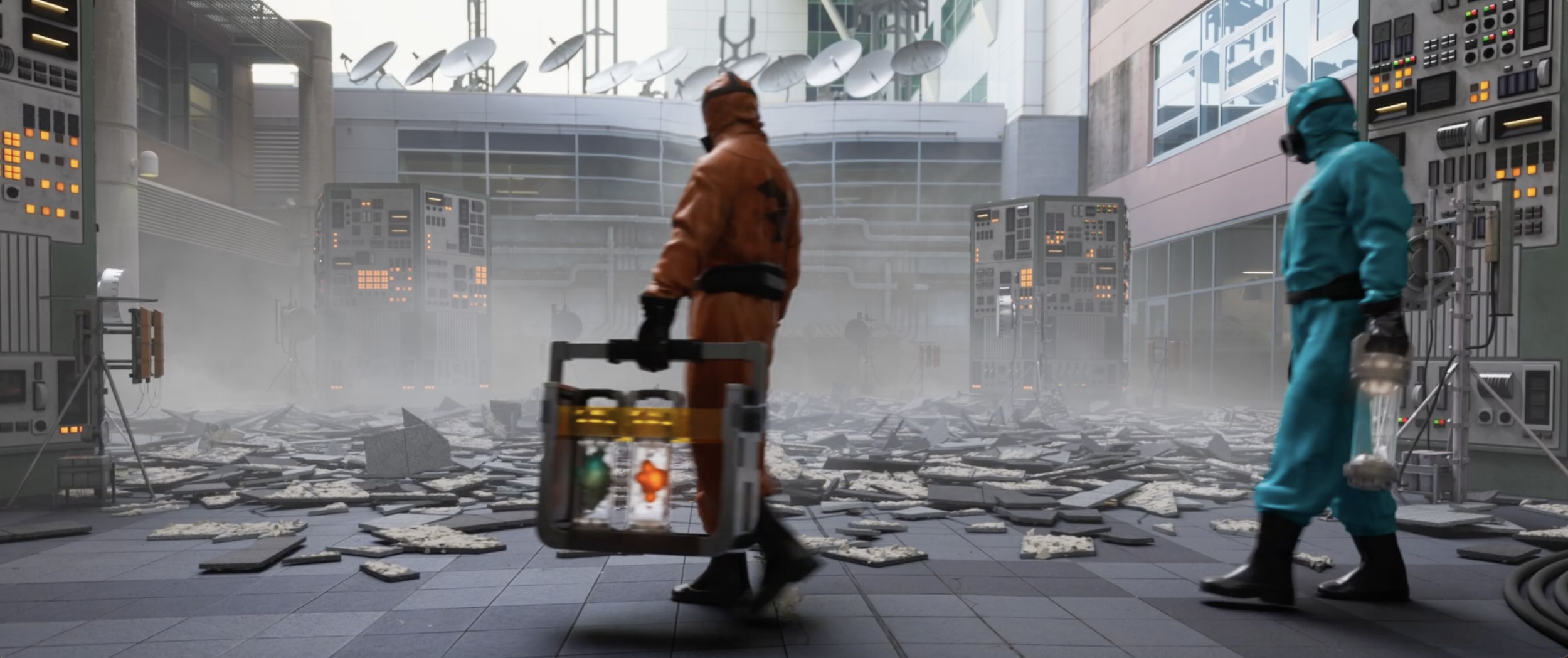

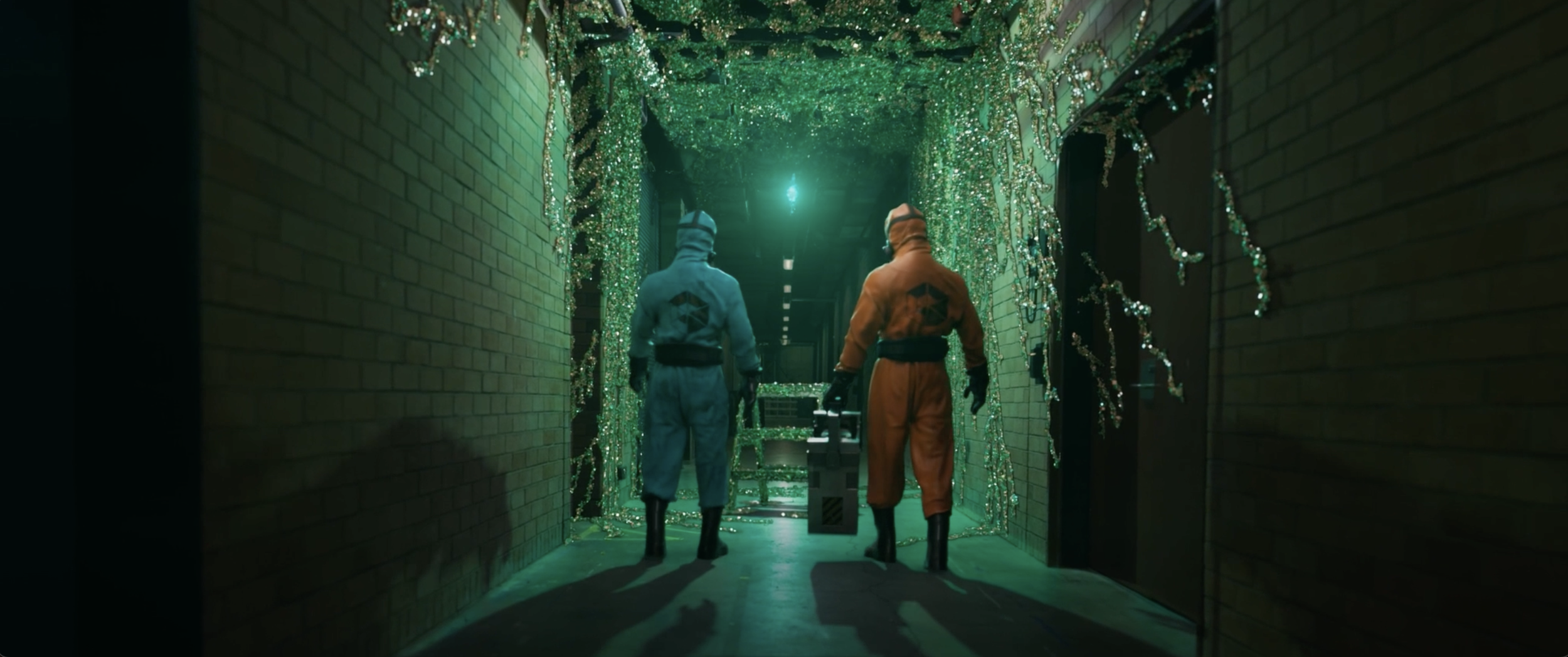
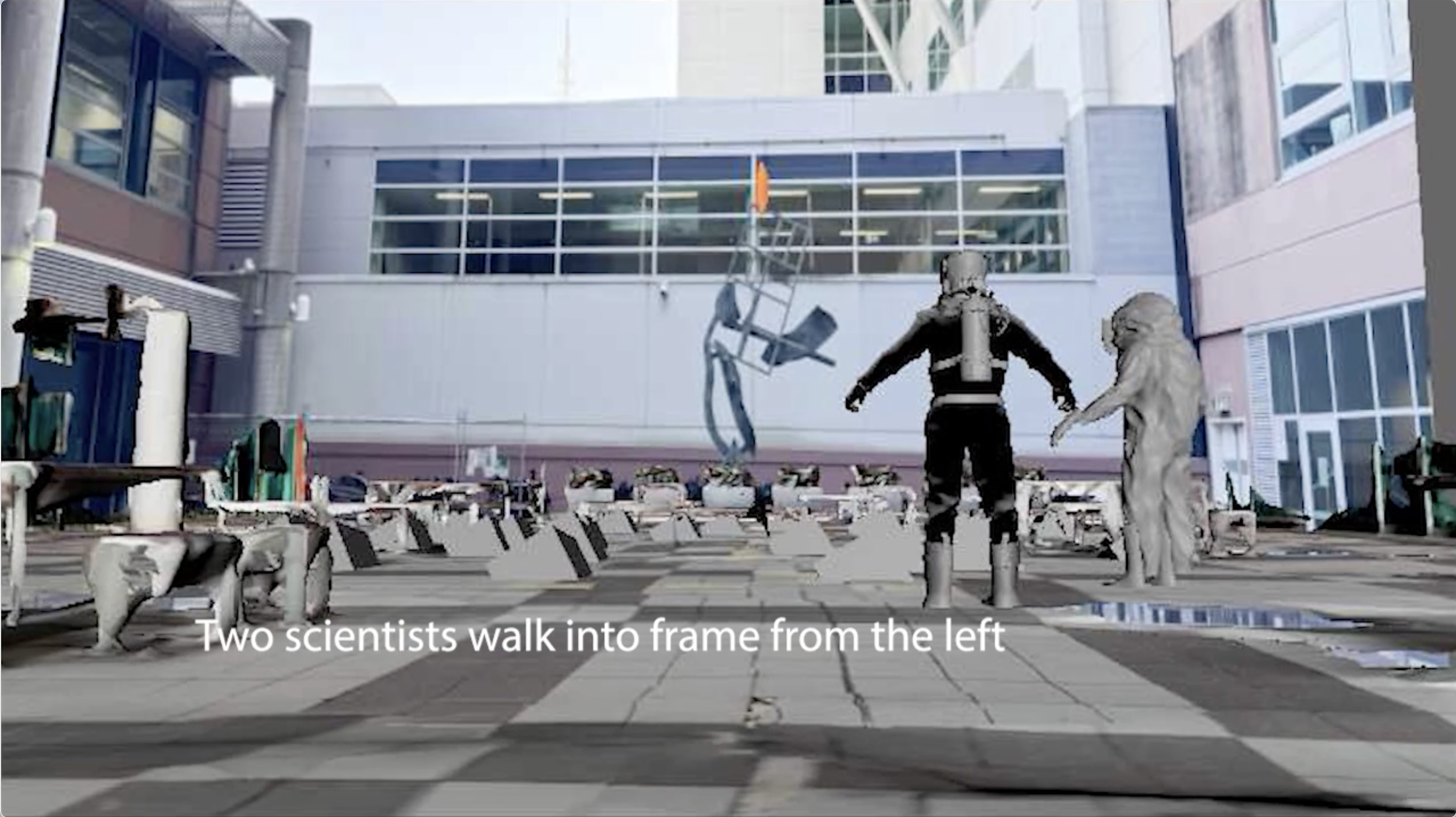
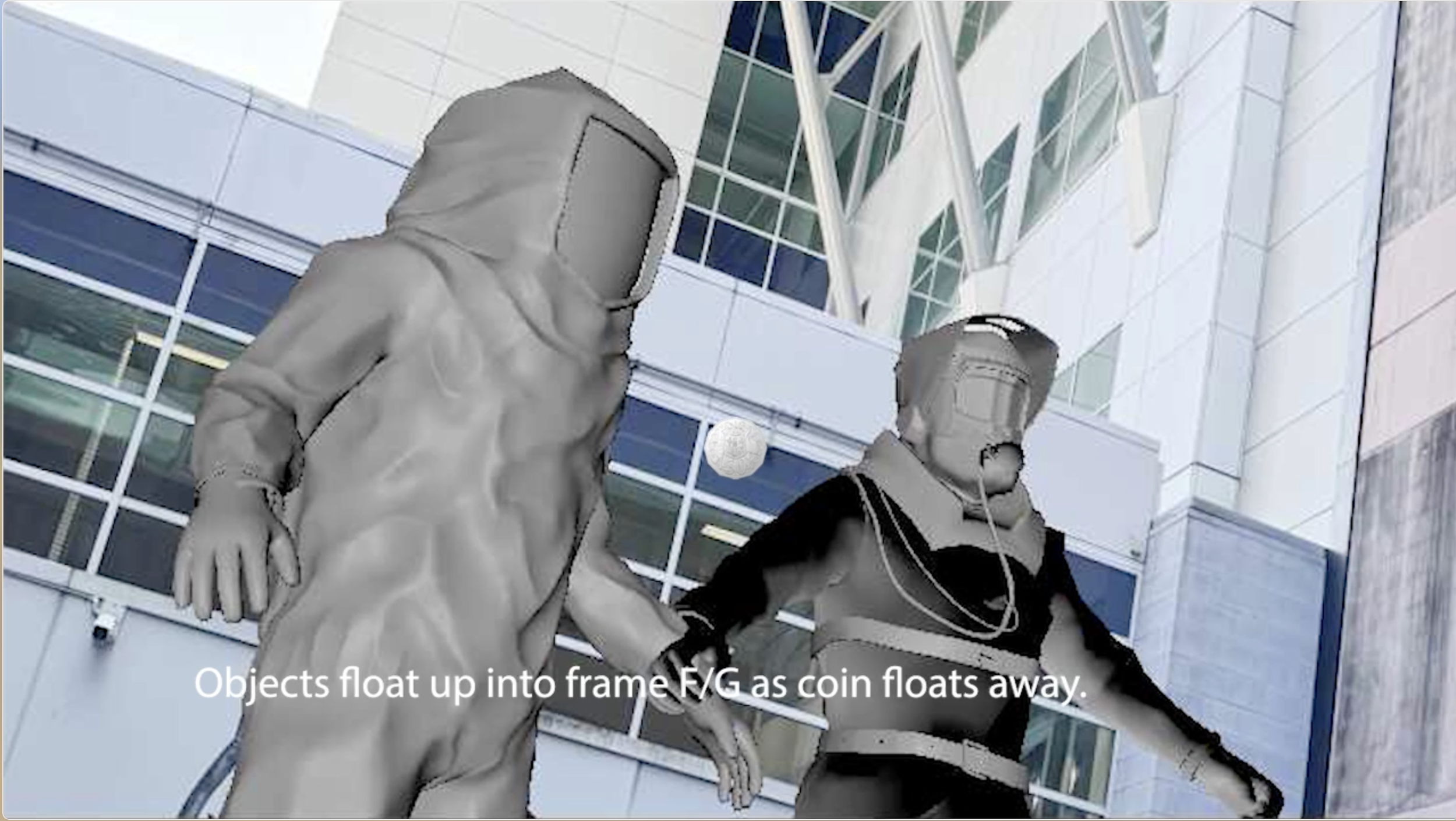
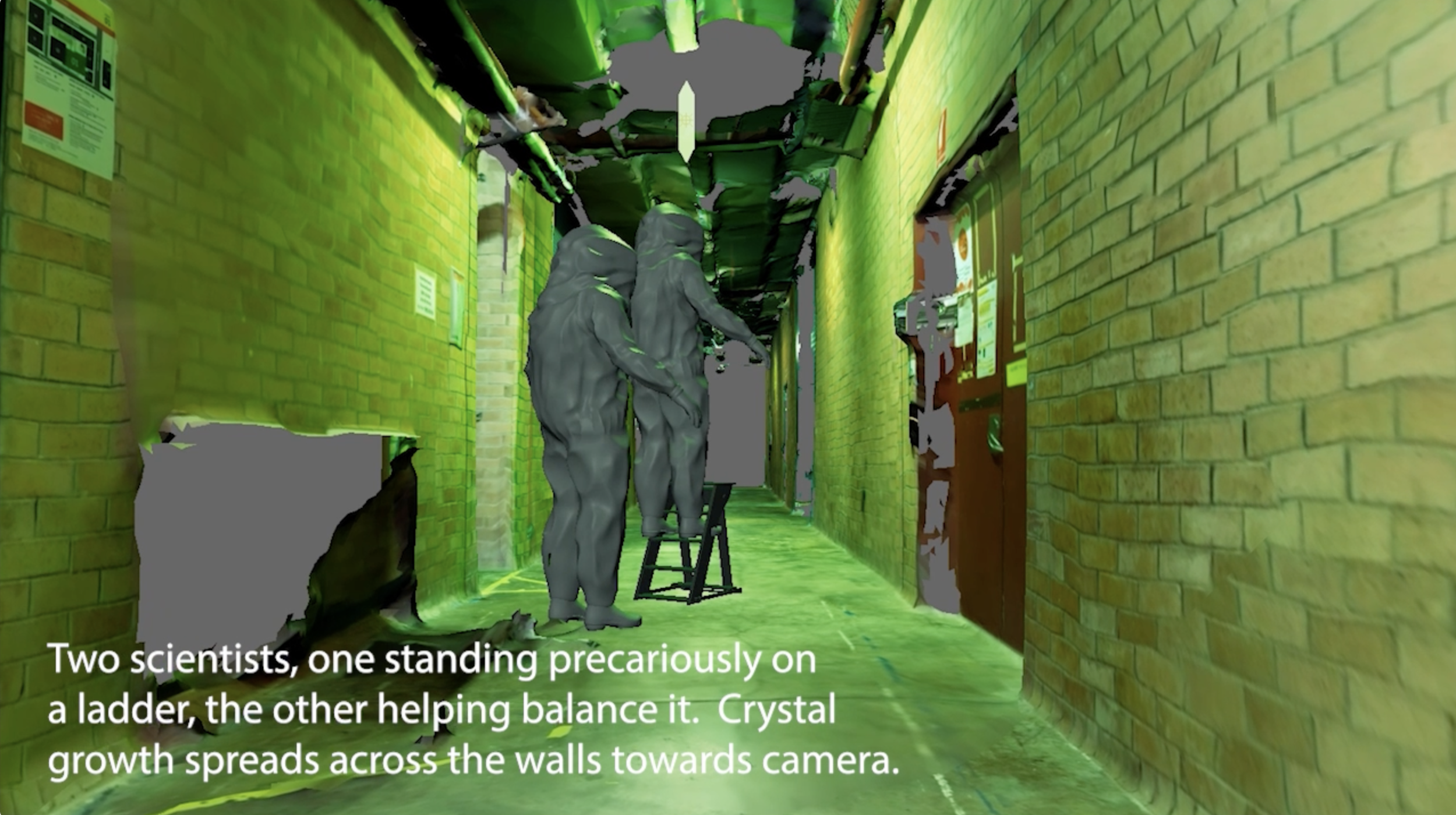
The images above show the Previs and the final shots from Occupational Hazard.
"We" refers to the collaborative work between myself as the cinematographer and the VFX leads and supervisors whose technical expertise made this workflow possible.
This year, that workflow has expanded into shot design and production, particularly for sequences that cannot be achieved physically on set.
Cinematography in Impossible Spaces
This year's film mixes real world environments with a ghost world, two realities side by side, which presents the perfect opportunity to work with splats.
Through previs it also became clear that certain shots would need to be splats based on the difficulty of achieving them, for instance the two shots that track vertically through the centre of a stairwell as a character runs up a set of collapsing stairs.
In a traditional production, this would likely require complex rigging, a fully digital set, or compromises in camera placement. With Gaussian Splats, we can reconstruct the environment and move a virtual camera through it as if it physically exists.
This is where the shift becomes more than technical. The camera is no longer only operating in a physical space captured on set — it is also operating inside a reconstructed version of that space in post-production where decisions on camera placement, lenses and lighting are all made by teams of VFX artists.
Lighting GUASSIAN SPLATS
One of the most significant limitations of Gaussian Splats is lighting.
Unlike a traditional CG environment where lighting can be rebuilt or adjusted, splats are fundamentally tied to the conditions in which they are captured. Geometry and illumination are not cleanly separated, which means relighting is extremely limited once the scene is built.
Even when captured from RAW or log sources, the resulting splat is not a true “negative” in the traditional cinematographic sense. It is a radiance-based reconstruction of a moment in time, meaning exposure and lighting decisions made on set are largely preserved.
In practical terms, this reduces flexibility in grading and lighting manipulation, and inconsistencies in capture are difficult to fix later.
However, this limitation also creates an important shift in responsibility.
Because lighting is effectively baked-in during capture, the quality of the final image becomes far more dependent on decisions made on set rather than post-production. In that sense, splats can reinforce the role of the cinematographer by locking intent earlier in the pipeline.
The trade-off is clear: less lighting flexibility in post, but potentially stronger authorship at the point of capture.
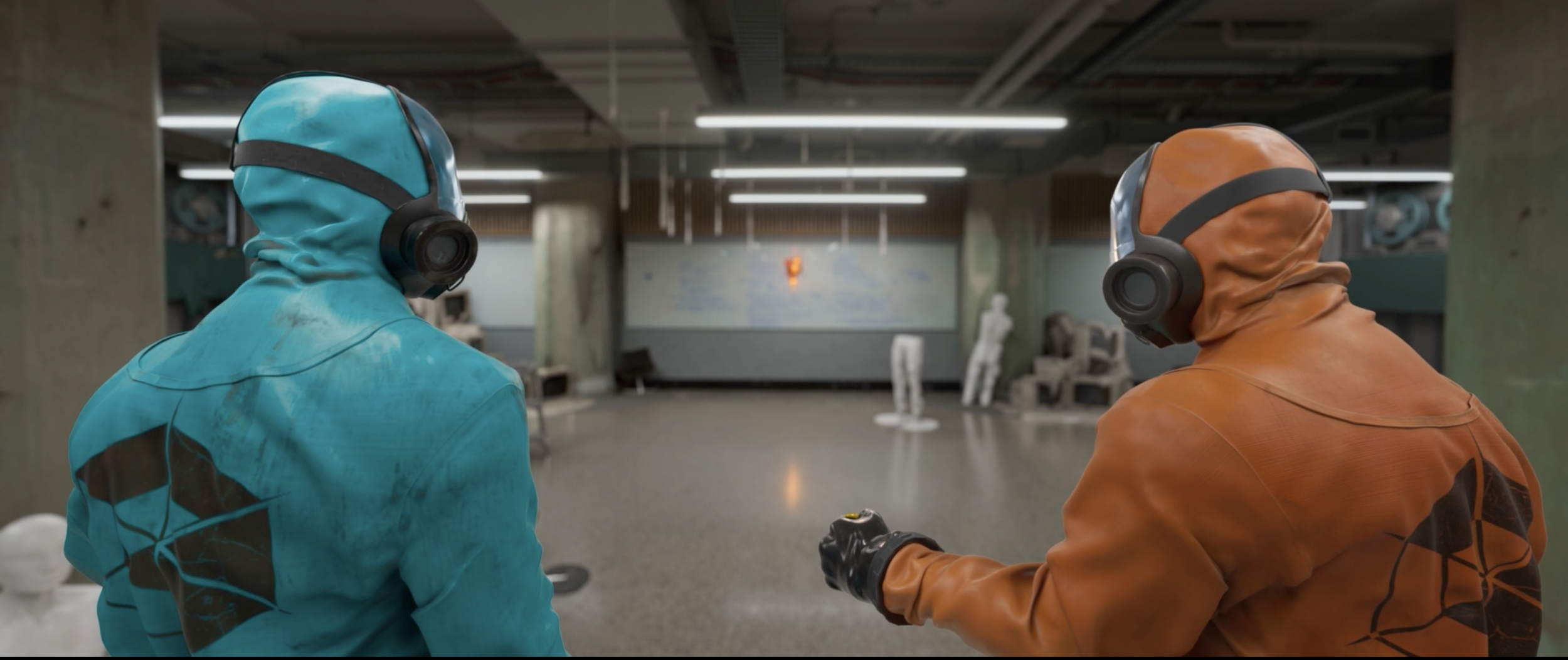
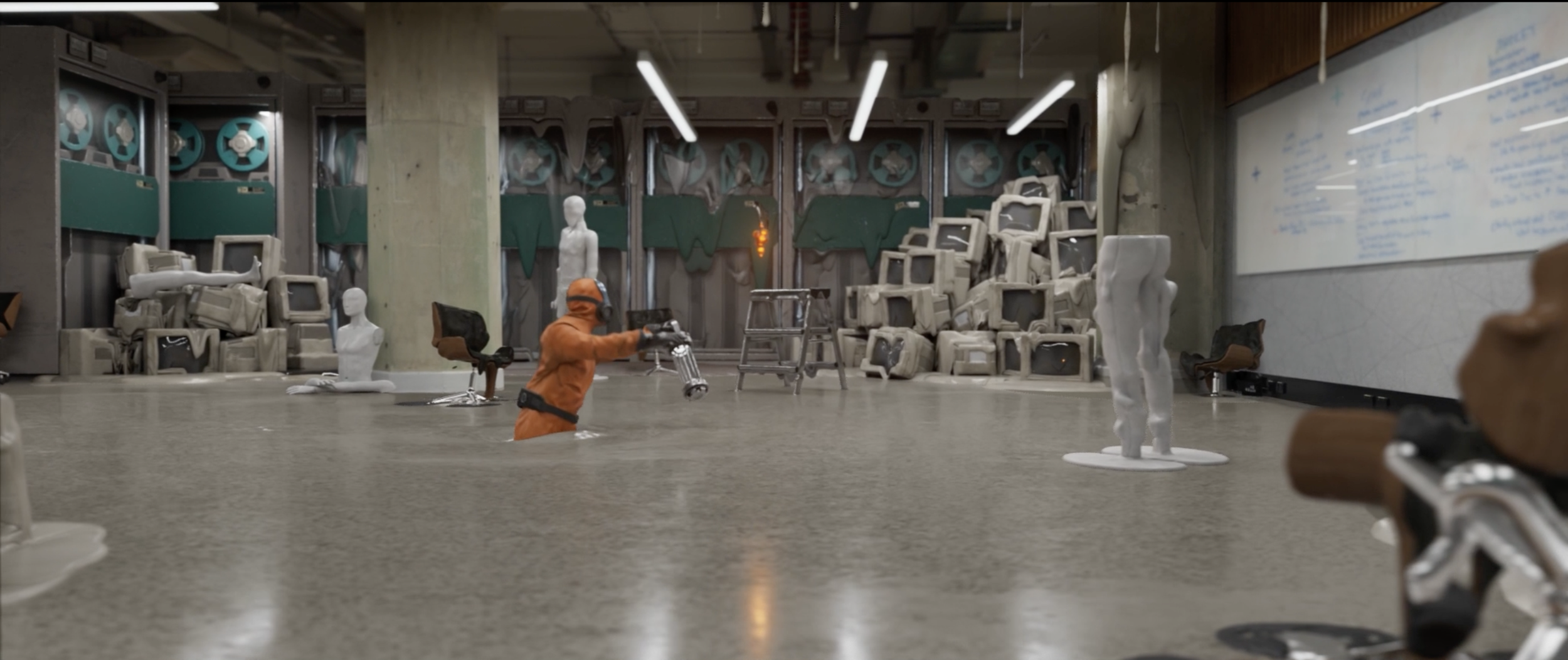
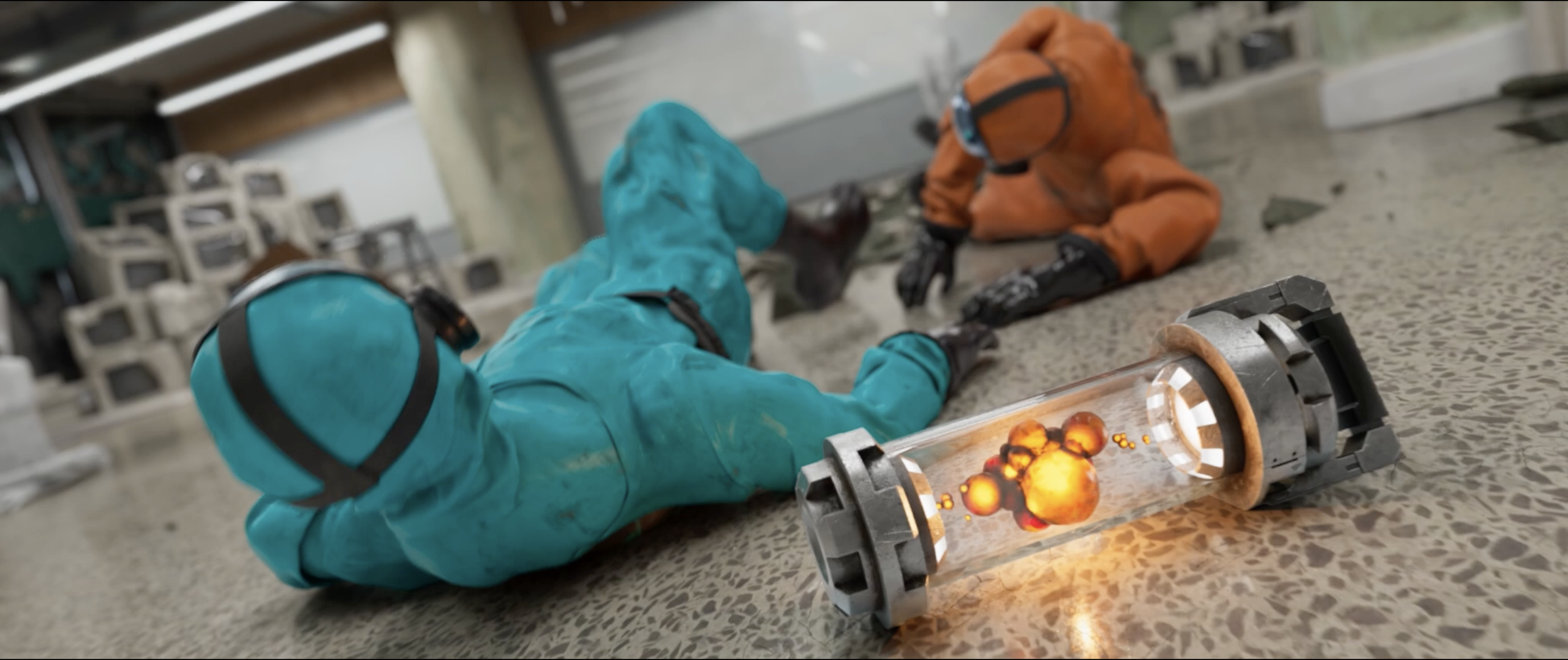
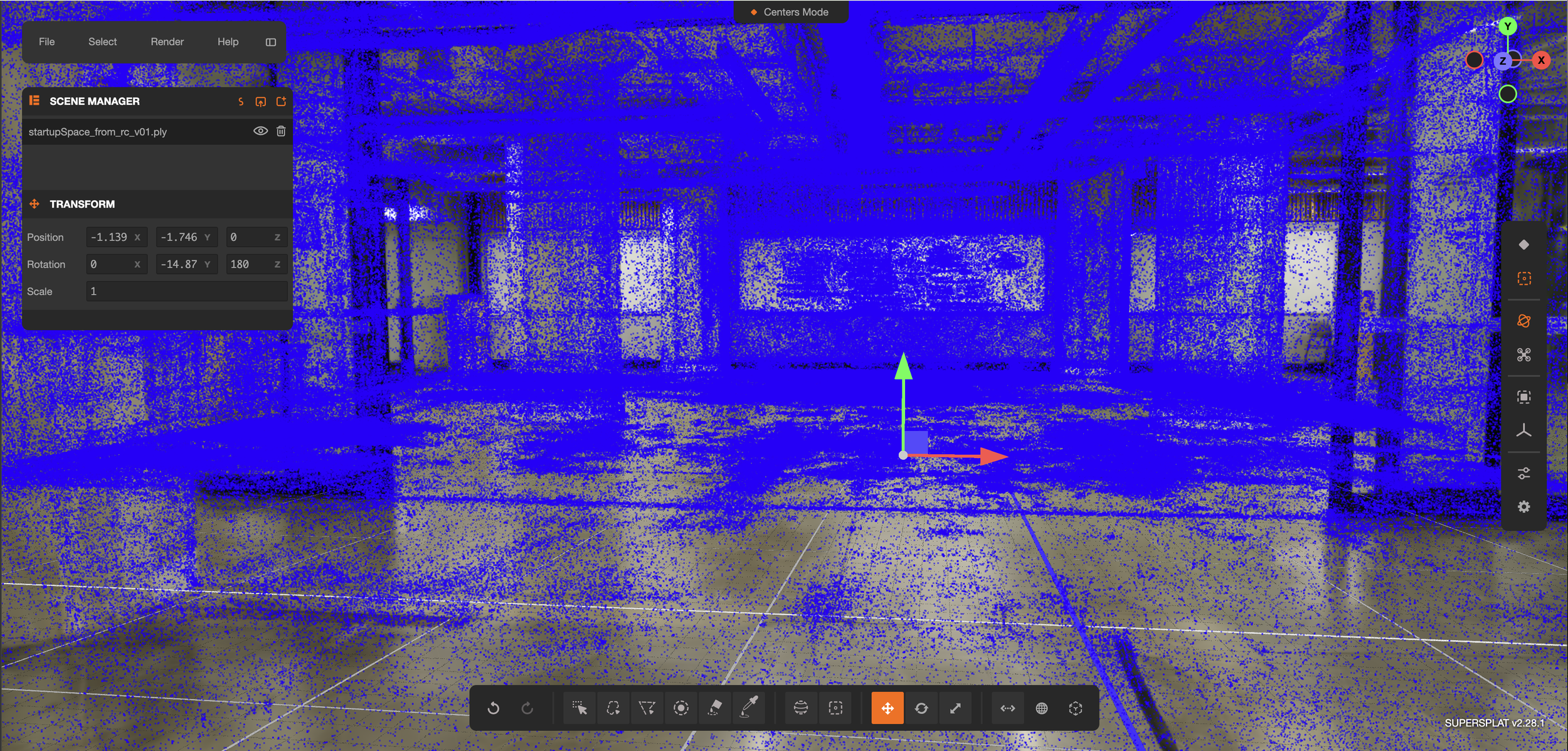
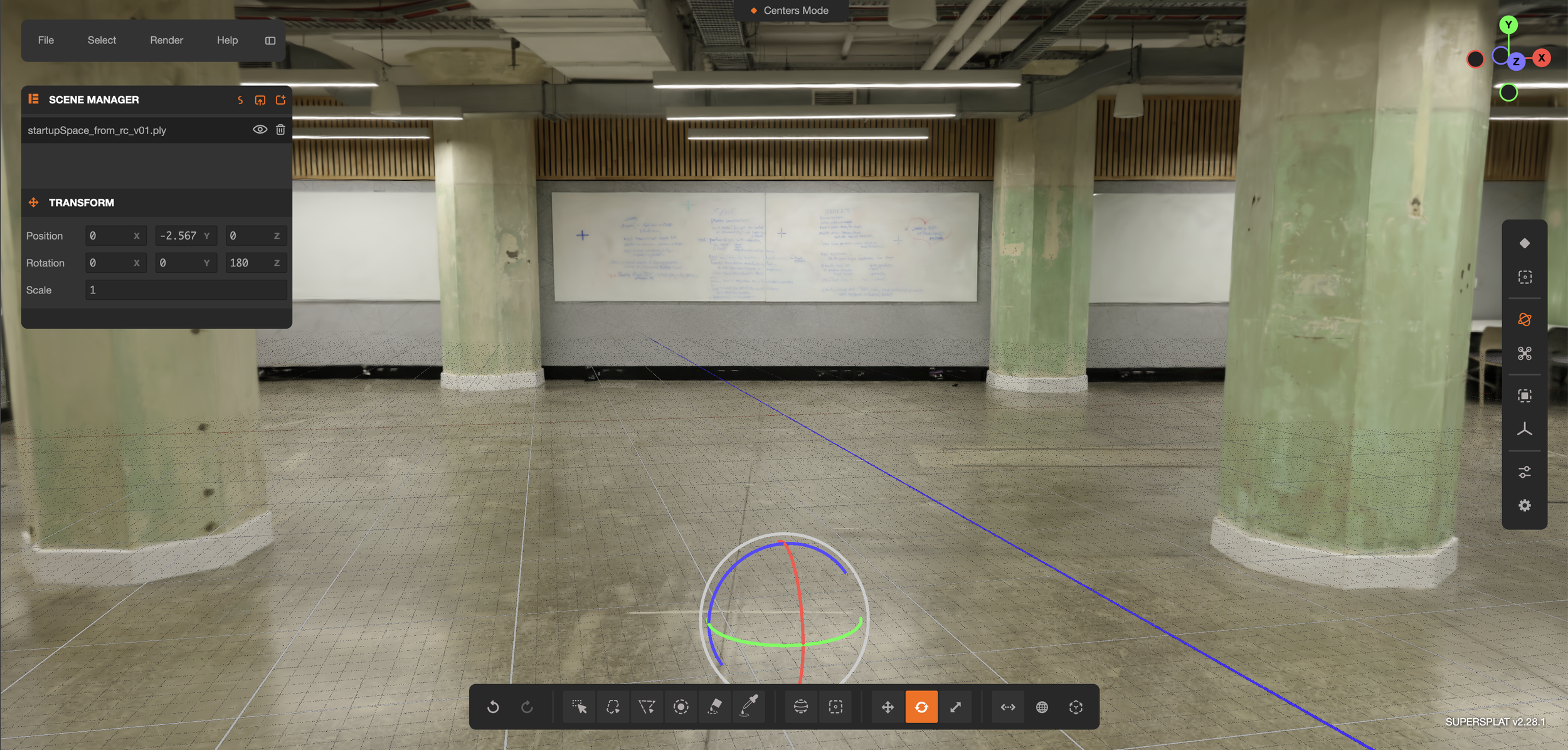
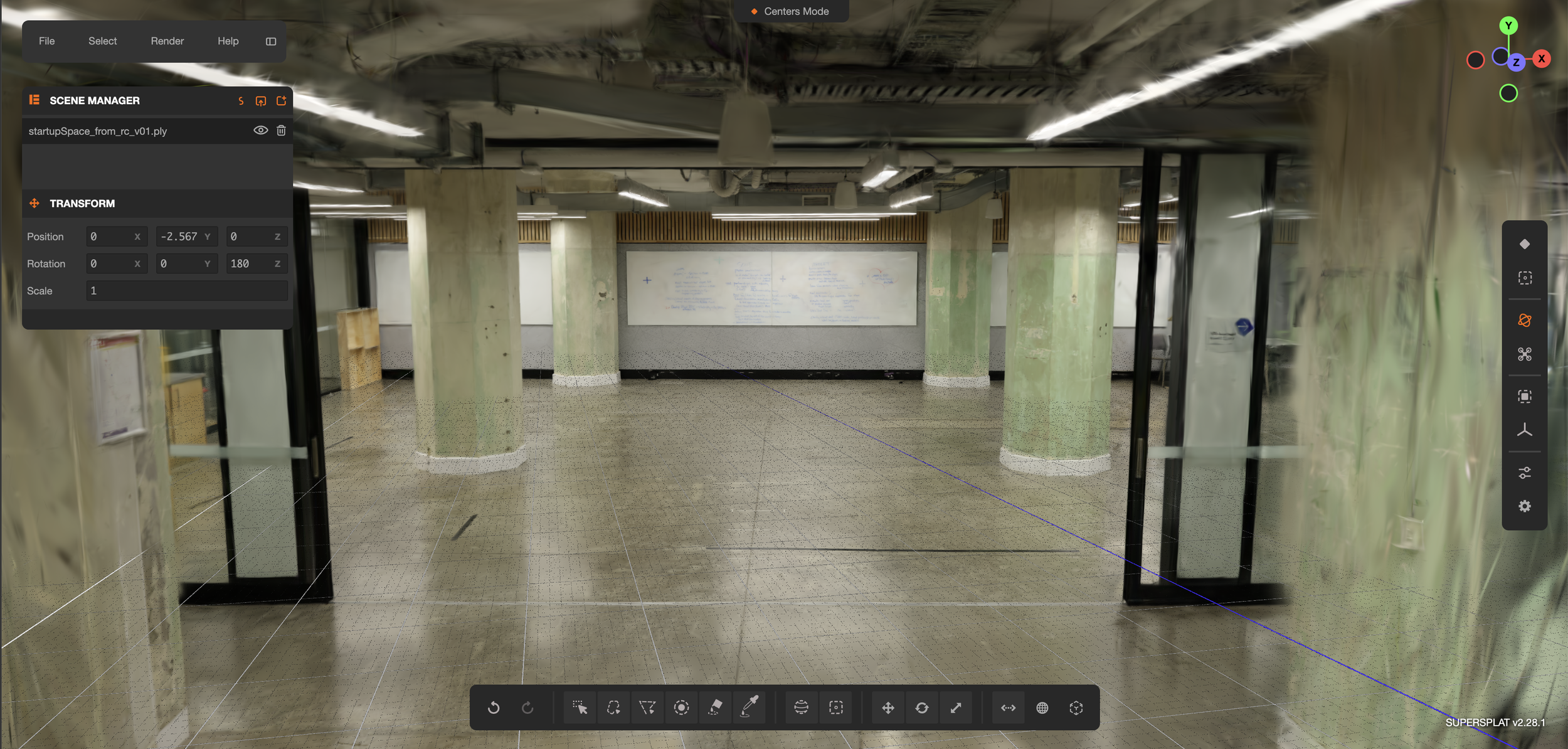
Above are the Guassian Splats and final shots from Occupational Hazard.
Maintaining THE CINEMATOGRAPHER’s INTENT
When the camera moves into splat-based space, there is a tendency for creative decisions — framing, lensing, even camera movement — to move into post-production. These decisions can be changed and refined after the shoot in ways that are no longer bound by physical constraints.
This raises the possibility of images captured by the cinematographer in production looking different to images created in post, possibly because the intent behind the creation of these images is different.
The problem is not with the technology itself, but the gradual redistribution of authorship of the photography moving away from the cinematographer.
KEEPING THE CAMERA Grounded in Reality
To address this, we’ve been working with a constraint-based approach as well as integrating the cinematographer into the production process, in particular previs, layout and lighting.
The constraint-based approach involves defining a fixed camera package at the start of production — specific lenses and a consistent camera back — and carrying that through the CG workflow, including splats.
In our case the plate shots were filmed on a full frame camera sensor and a prime lens kit, so those focal lengths are the only lenses available in the virtual environment. Intermediate or “convenient” focal lengths are not introduced later in post. For example, for wide shots we had a 15mm and 20mm lenses but nothing in between, therefore virtual shots shouldn’t be using a 17mm lens.
This might seem restrictive, but it keeps the visual language anchored to real production decisions. It ensures the cinematography established on set continues to drive the image through the VFX pipeline.
We even filmed plate shots when the shot was going to be full CG, so that the camera tracking would reflect the cinematographer and mix seamlessly with the other shots.
To push the boundaries further, the lens kit we chose was a set of vintage Nikon AIS primes. These lenses have notable distortion, flaring and soft focus vignetting, perfect for a strange, ghostly world that exists in a run down apartment building but difficult for visual effects teams to work with.
Extending the Camera, Not Replacing It
Gaussian Splats don’t have to be viewed as a replacement for cinematography but an extension of what the camera can capture.
They allow us to move through spaces that would otherwise be difficult or impossible to film, but they also require new approaches to production in order to preserve the look of the cinematography in the finished film.
Looking Forward
As this research continues at the Animal Logic Academy at UTS, we are not just researching what these tools can do, but how they are changing the role of the cinematographer. For me, the focus is on the intent behind both the capture and creation of images, maintaining a consistent “look” and “feel” across the entire project — and keeping the visual narrative in the hands of the cinematographer.
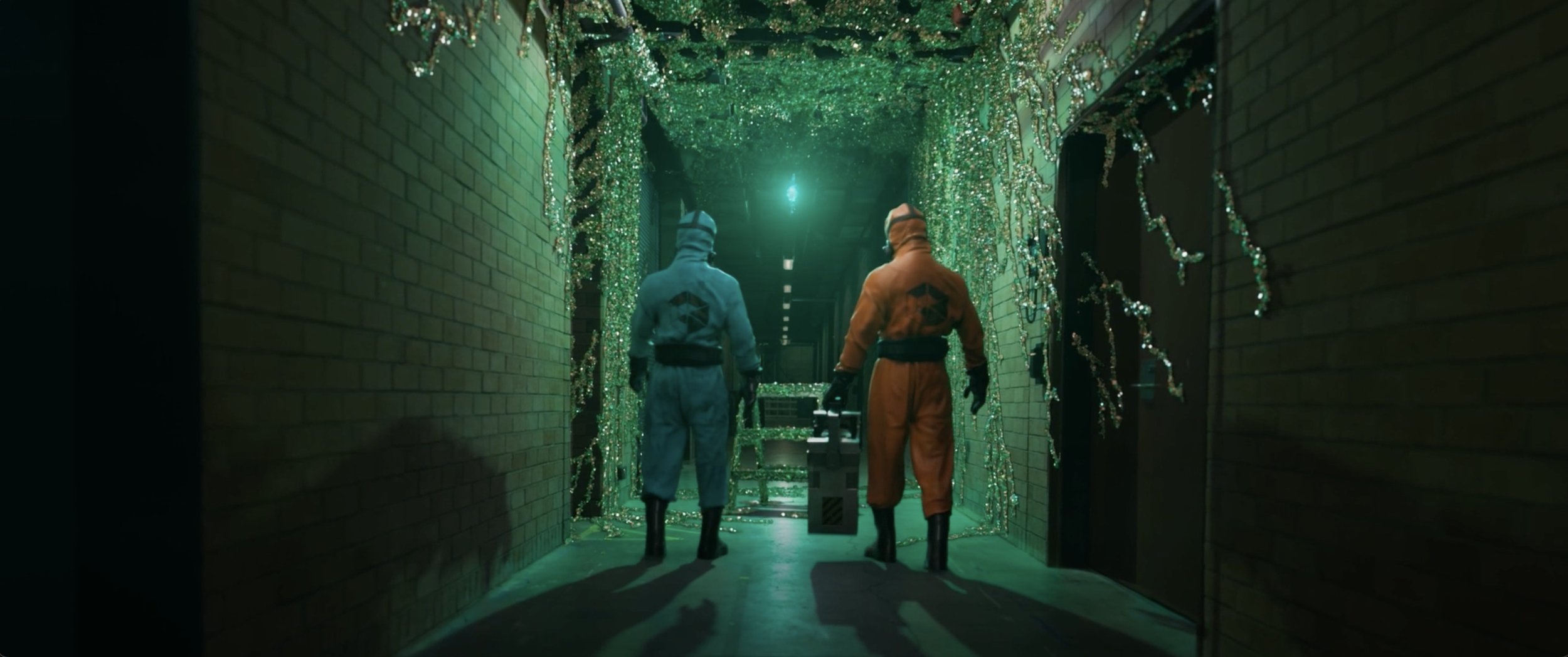
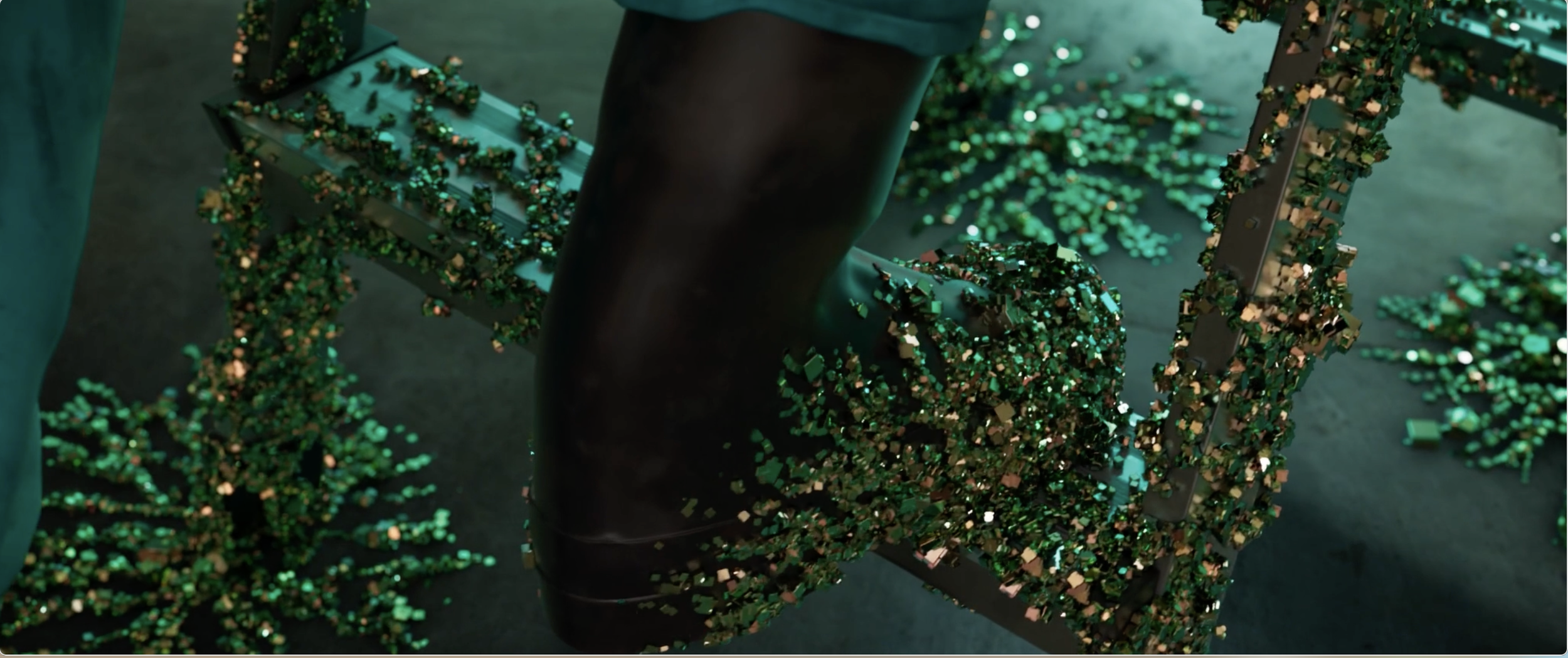
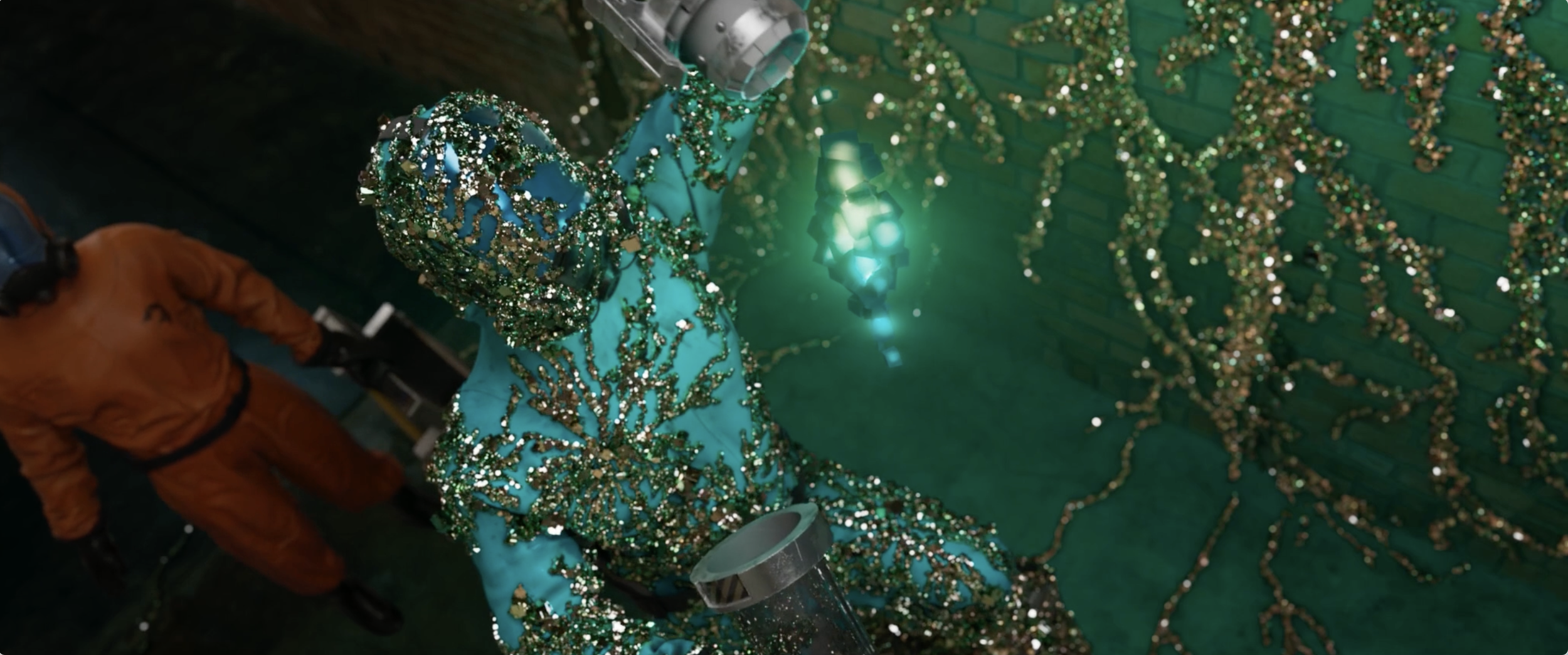
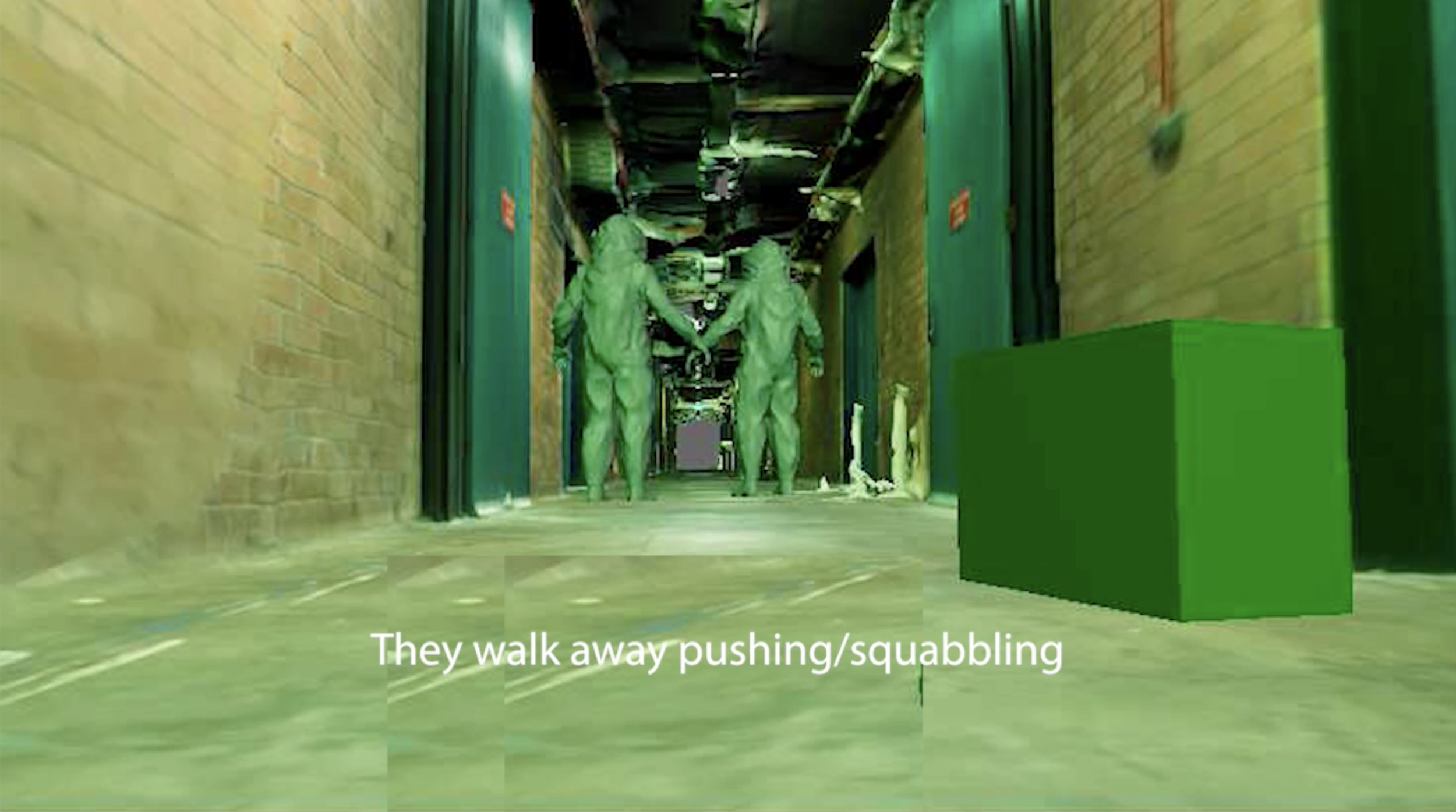
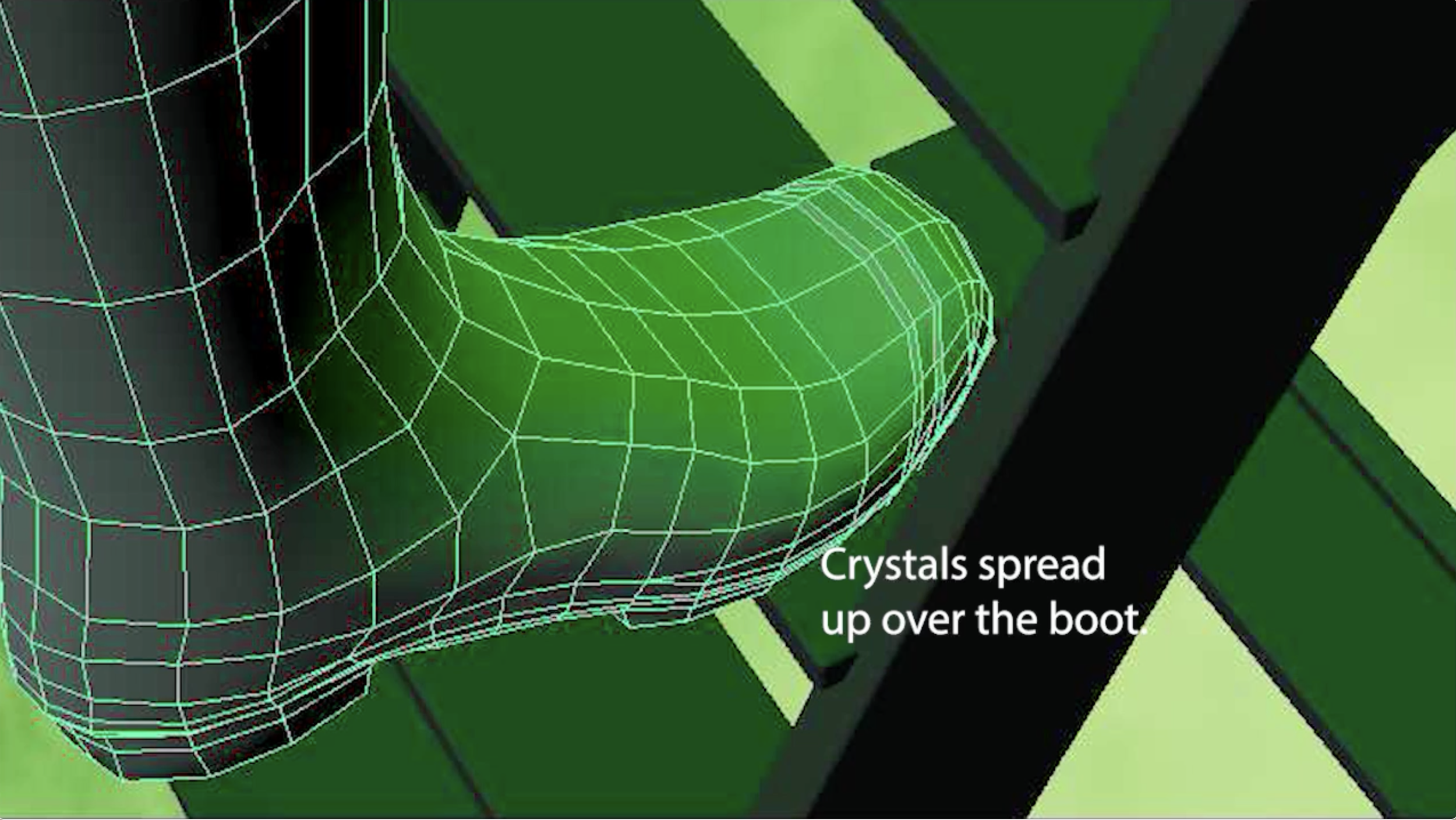
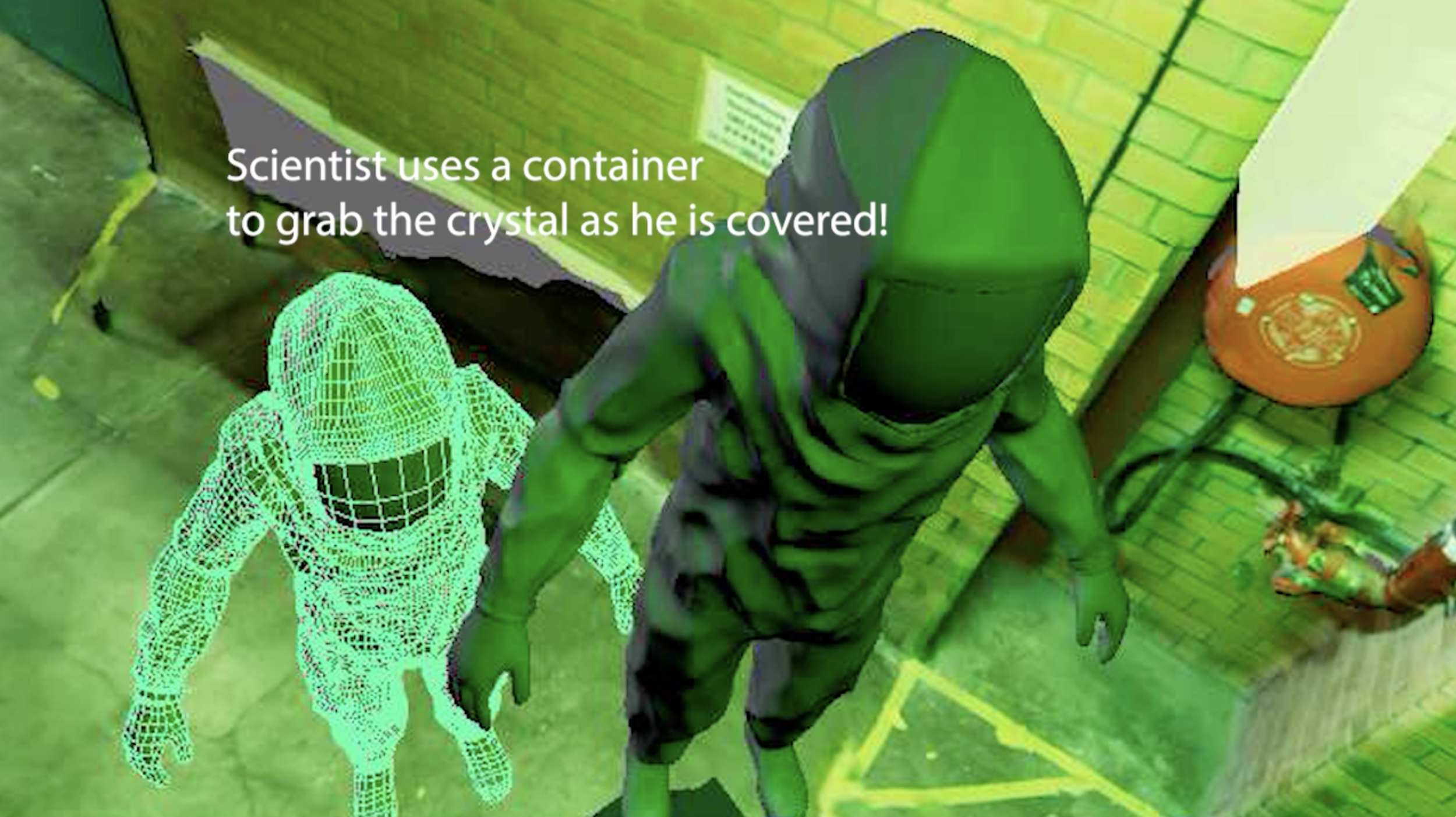
Previs splats and final images from Occupational Hazard.
Research Note: This article reflects my ongoing PhD research exploring the evolving relationship between cinematography, virtual production and visual effects. AI was used as an editorial tool to assist with drafting and refining the writing. The experiences, analysis and conclusions presented are based on my own research and professional practice.