A Different Kind of Food Show
Some productions challenge your creativity. Others challenge your endurance.
Deadliest Dinners was one of those rare projects that did both.
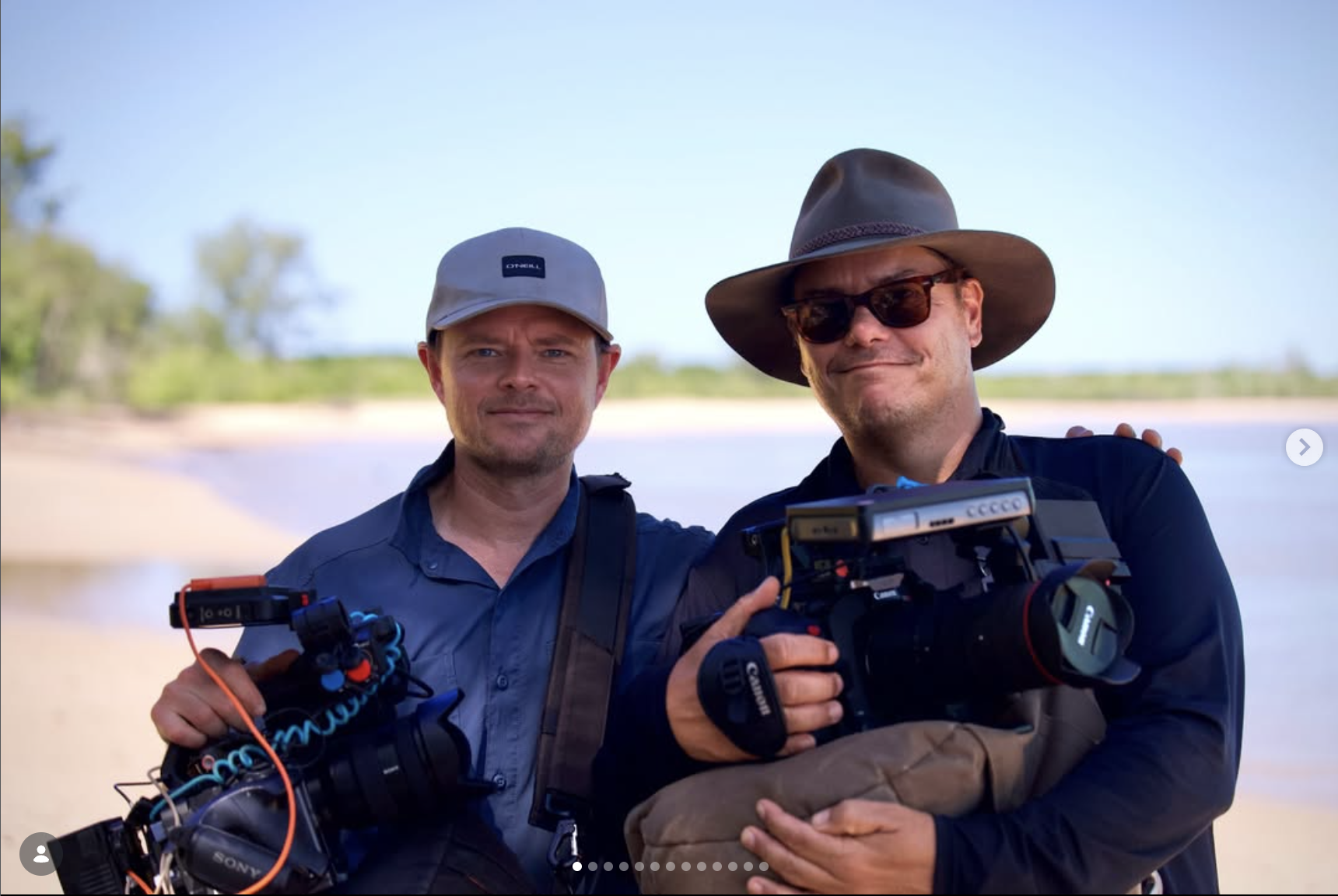
As Director of Photography on Deadliest Dinners, I travelled across some of Australia's most remote and spectacular landscapes, helping bring this unique food and adventure series to life.
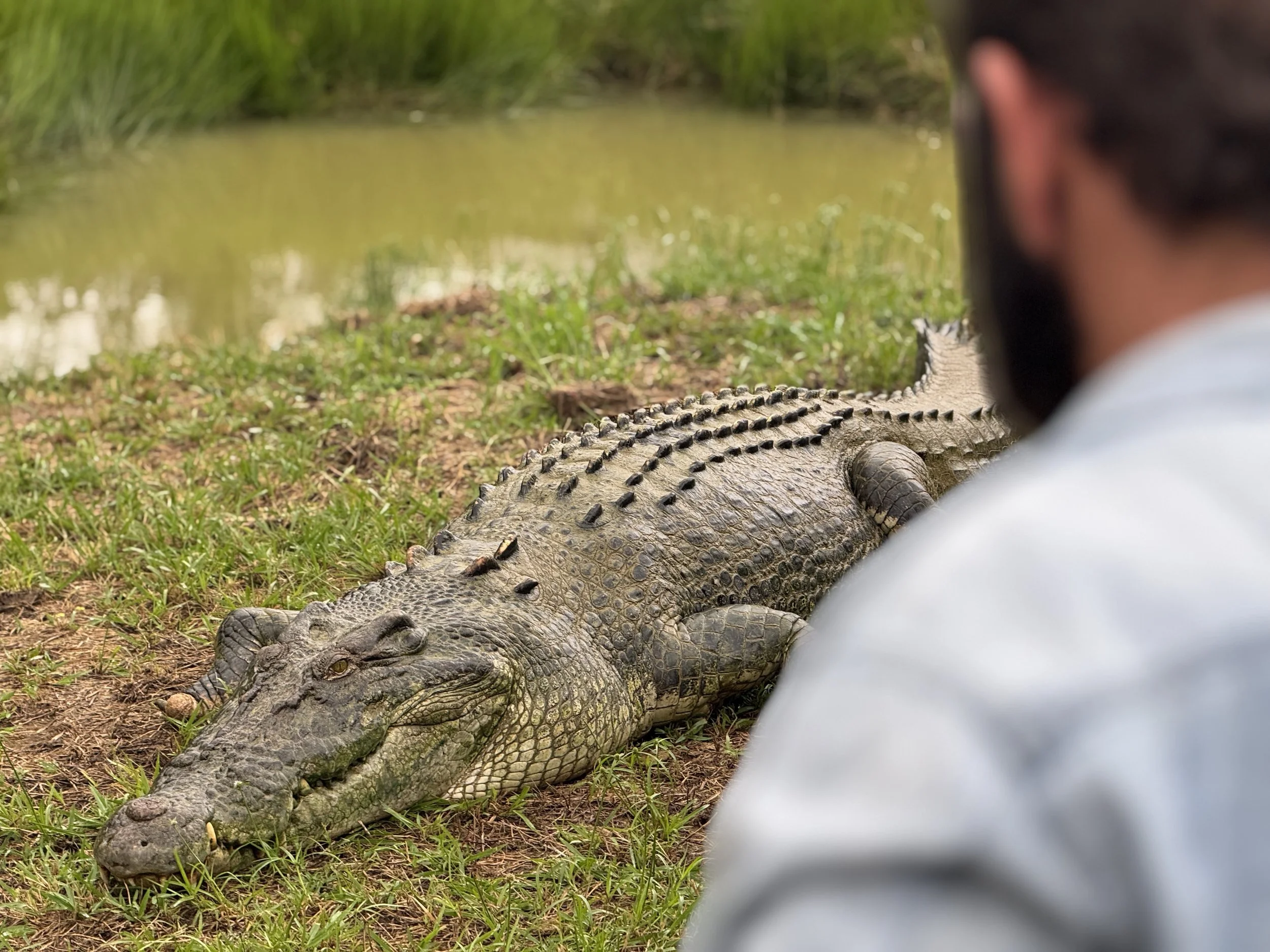
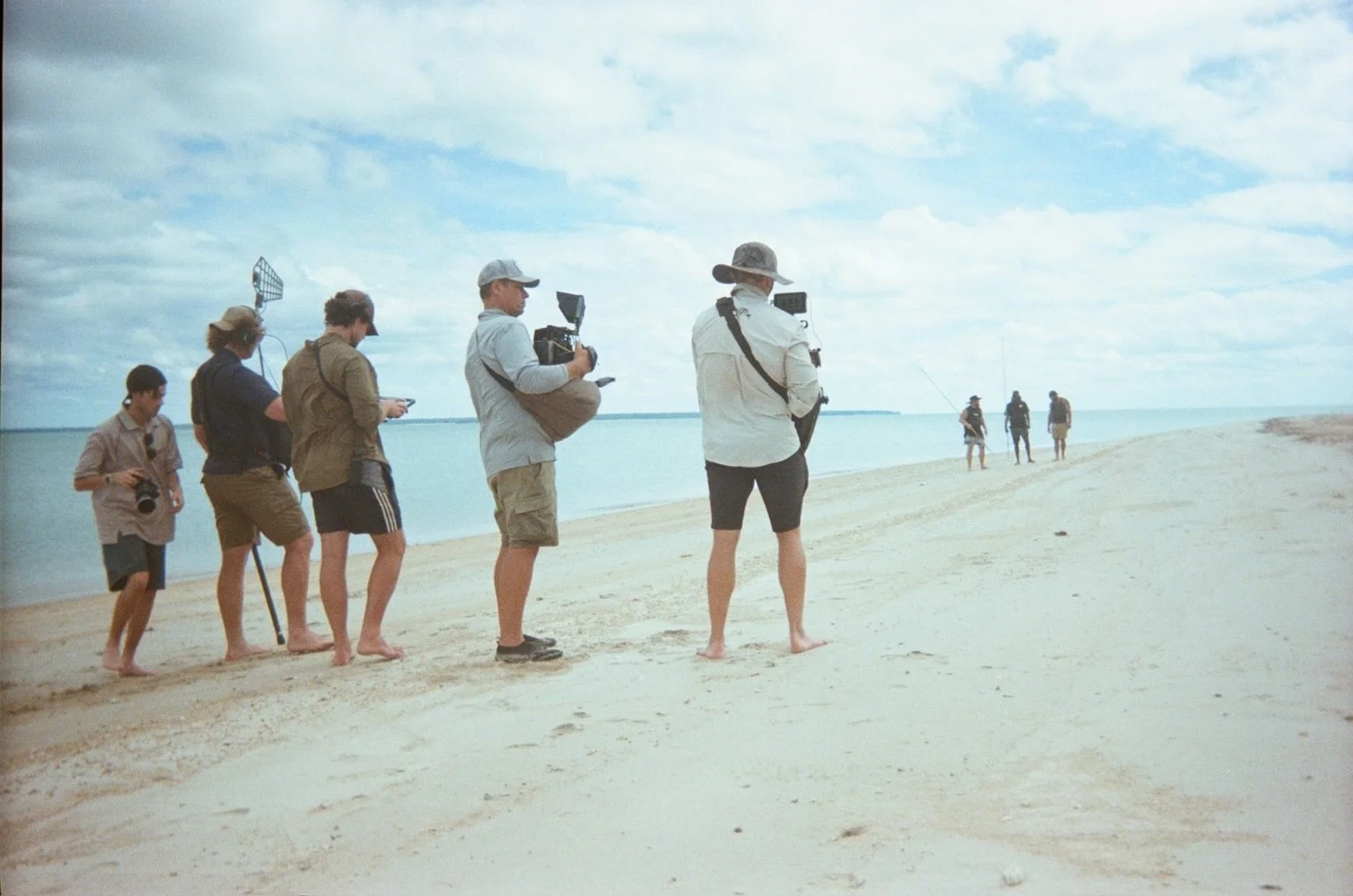
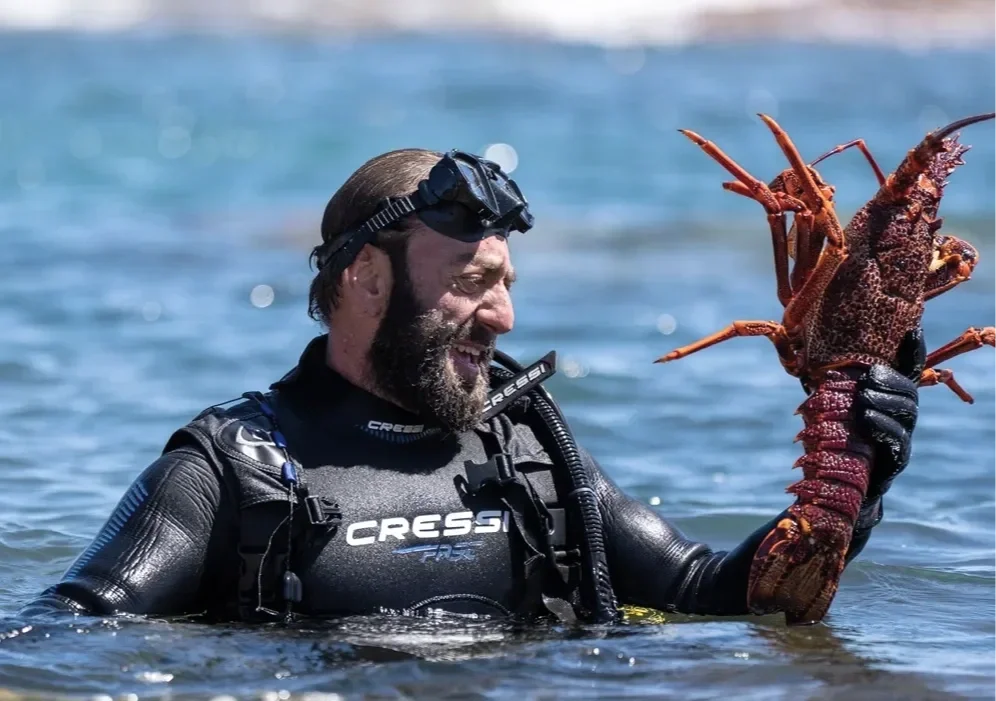
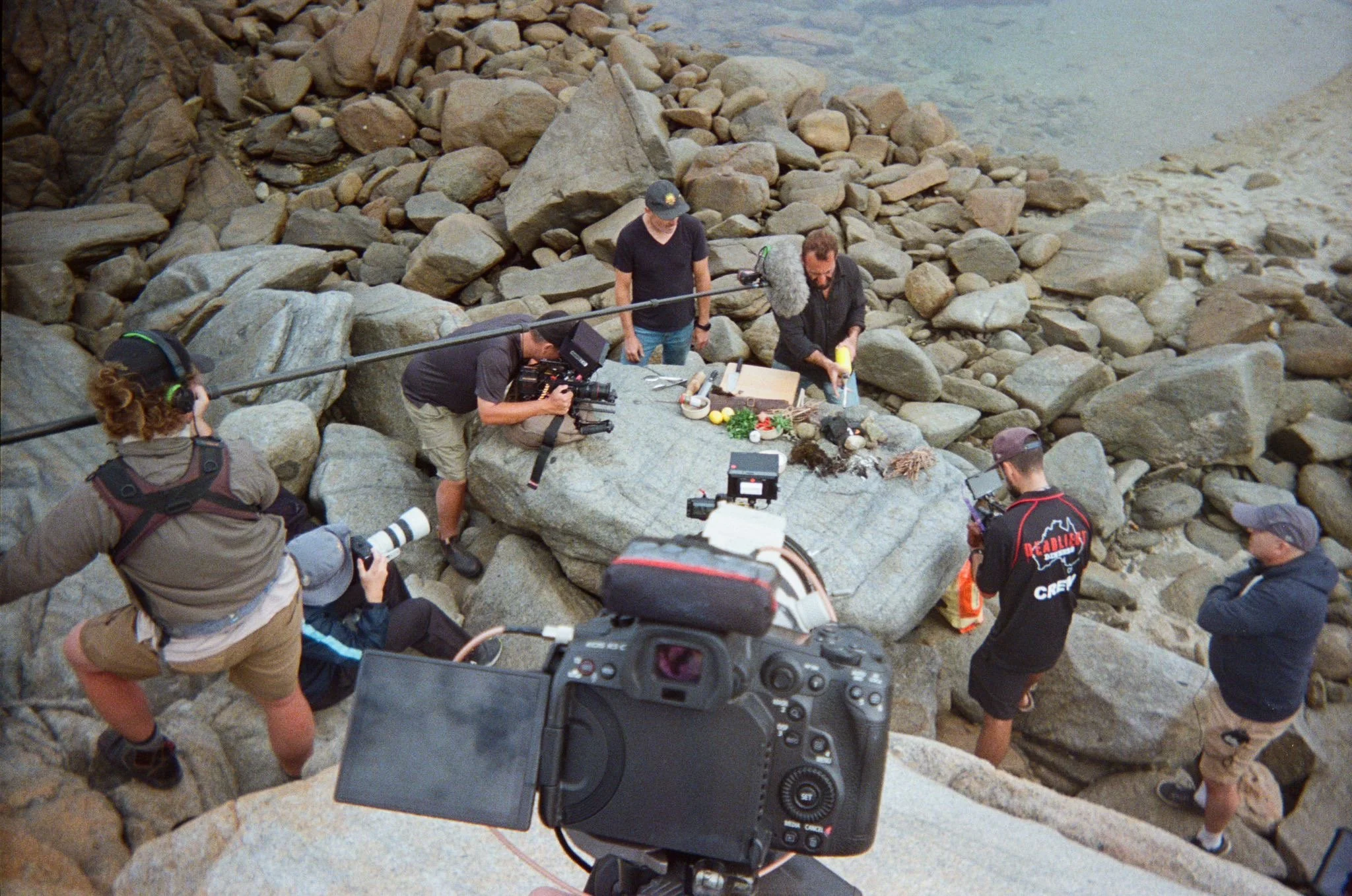
From the outset, it was clear that Deadliest Dinners wasn’t going to be a traditional food or travel show. Every member of the crew was pushed to their limits as we worked in some of Australia’s most remote and unforgiving landscapes. Reaching these locations often required long hikes with cameras, lighting and cooking equipment, through all types of conditions.
The challenges were inseparable from the story itself. We weren’t simply filming food; we were capturing the people, places and environments that shaped it. Our role as filmmakers was to immerse the audience in that journey, preserving both the beauty of the landscape and the reality of the experience.
Cooking in the Wild
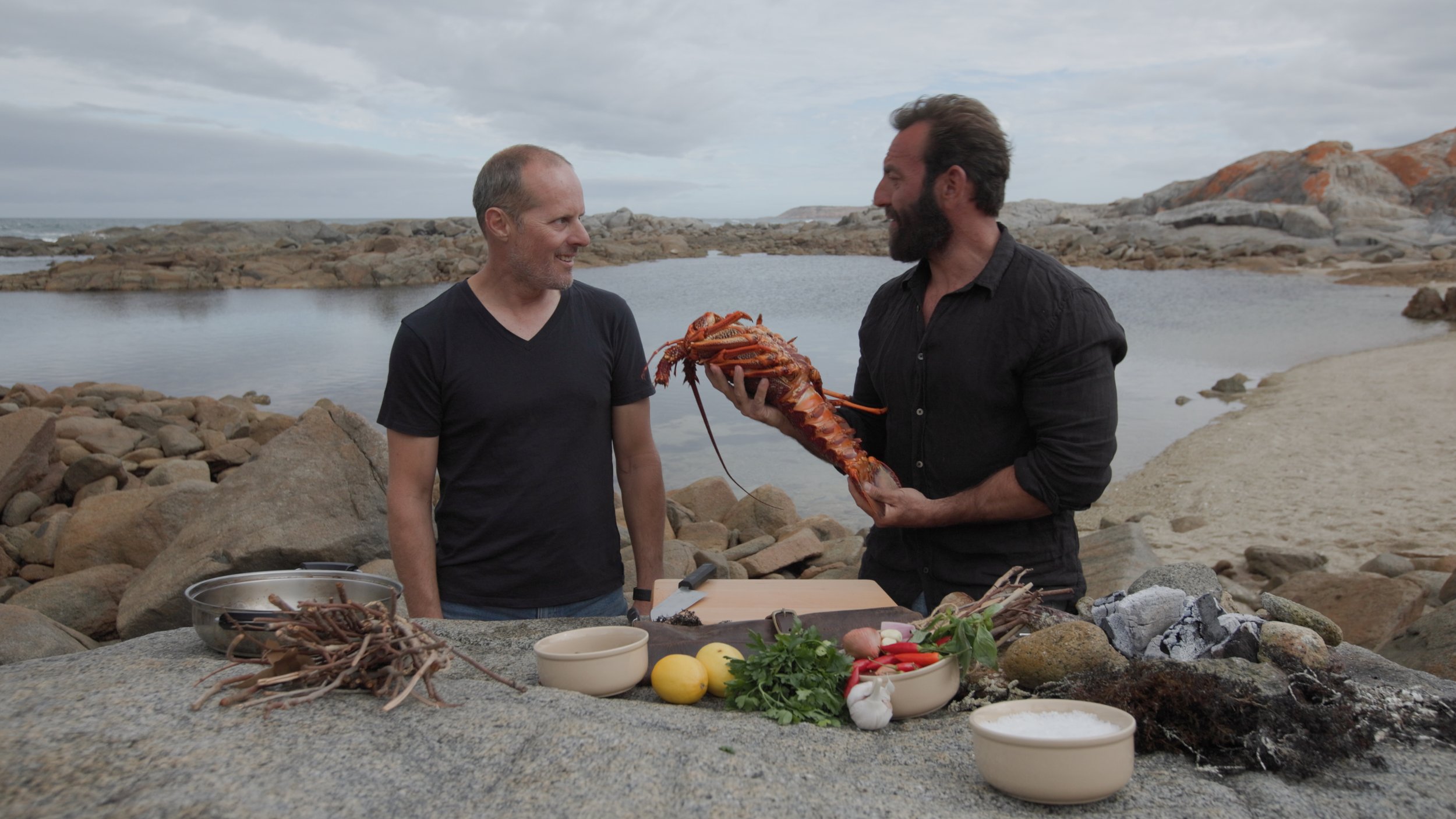
What makes Deadliest Dinners’s cinematography unique was our commitment to cooking in the same locations that we harvested the protein.
Rather than returning to a controlled studio kitchen, dishes were cooked outdoors in the landscapes that inspired them. Natural rock formations became benches, driftwood became tables, and the Australian wilderness became part of the set itself.
Filming food is already demanding but on this production, that challenge was amplified by the fact that we were not only carrying camera equipment into remote locations, but also all the cooking gear needed to prepare each dish, with no access to power. The trade-off was that we were working in some of the most visually stunning natural environments in the world.
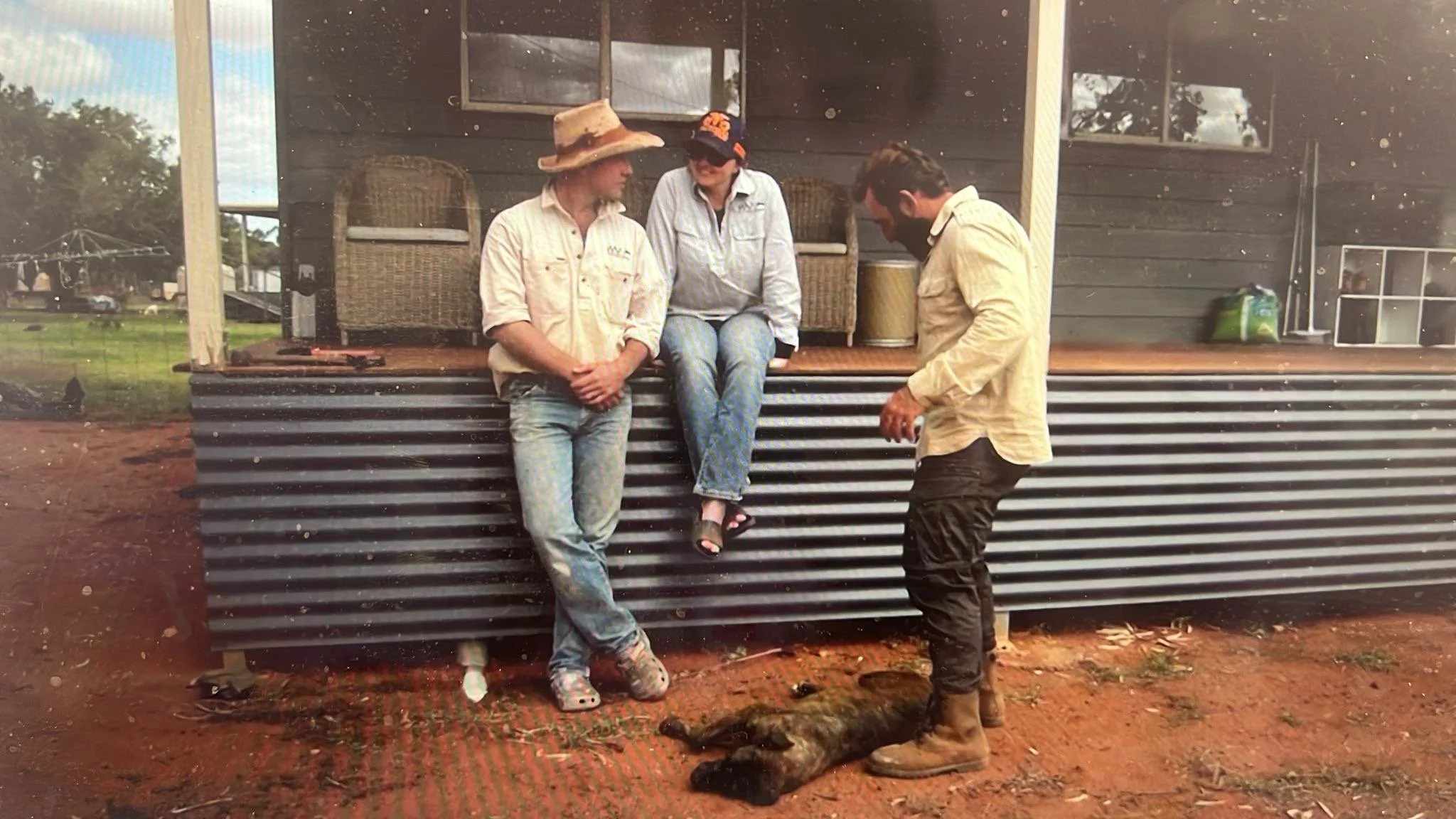
We spent long days filming and cooking over hot coals in the heat of the outback. The locations were breathtaking, but the conditions were relentless — driving rain one moment, strong winds the next, thick red dust, swarms of flies, and the constant unpredictability of working deep in the Australian wilderness.
Adventures Across Australia
The series took us to some remarkable places.
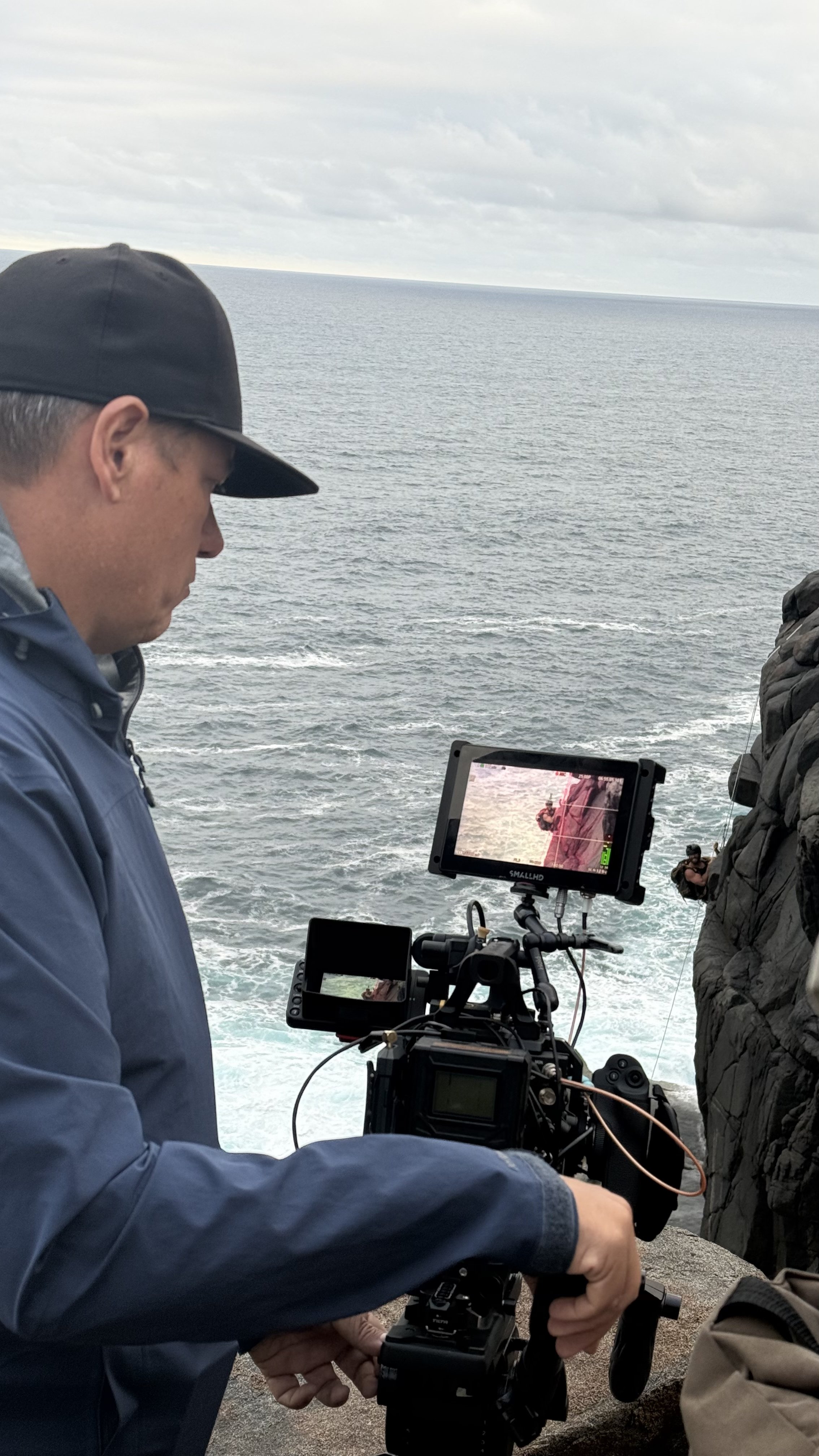
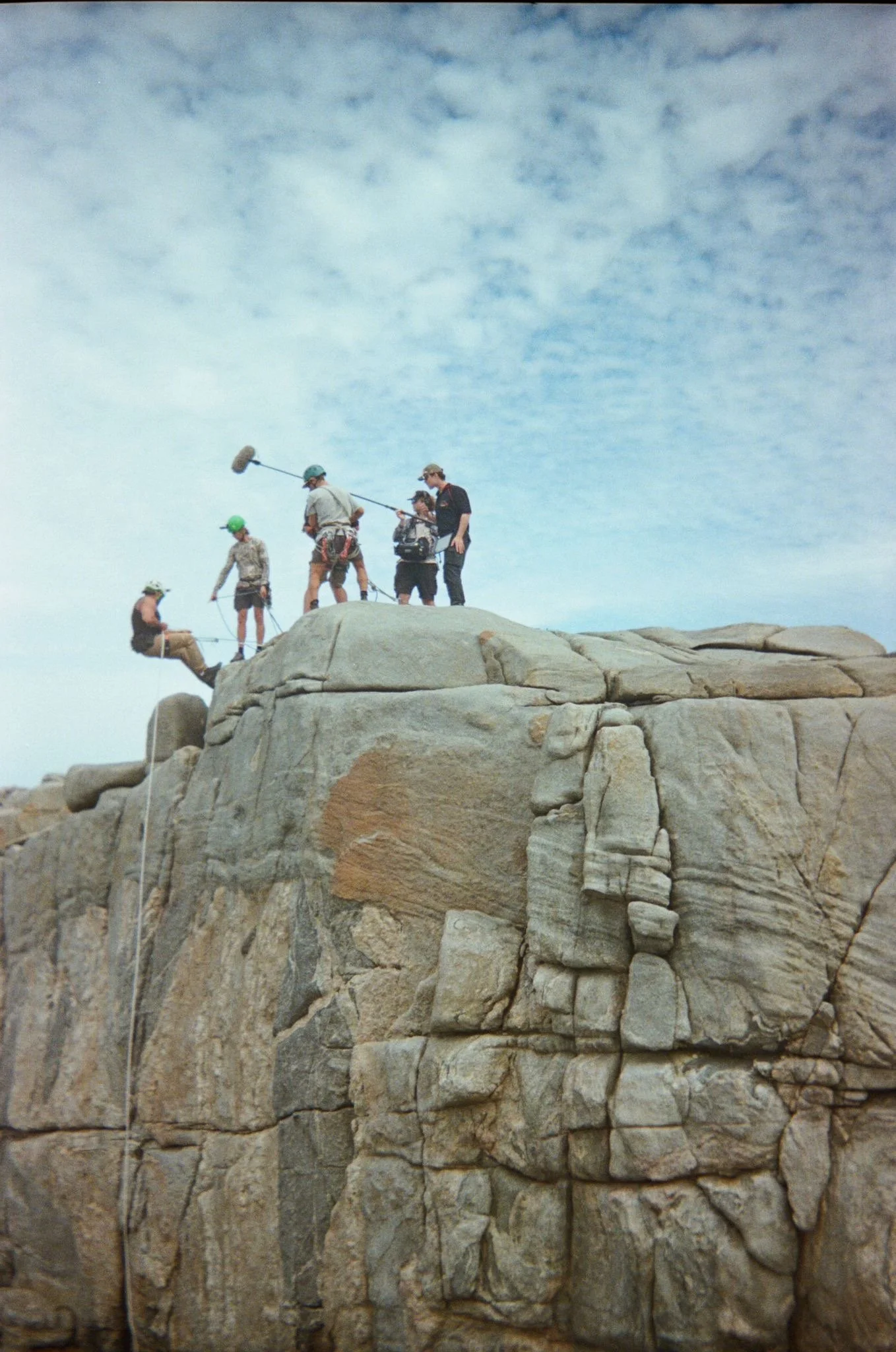
One of the most memorable shoots took place in Western Australia, where I abseiled down a 70-foot cliff to film rock fishing along one of the most dangerous stretches of coastline in the country.
It was my first time abseiling.
Standing at the top of the cliff was intimidating enough. Hanging off the side of it with a camera was something else entirely. It was equal parts terrifying and exhilarating, but it perfectly captured the spirit of the production.
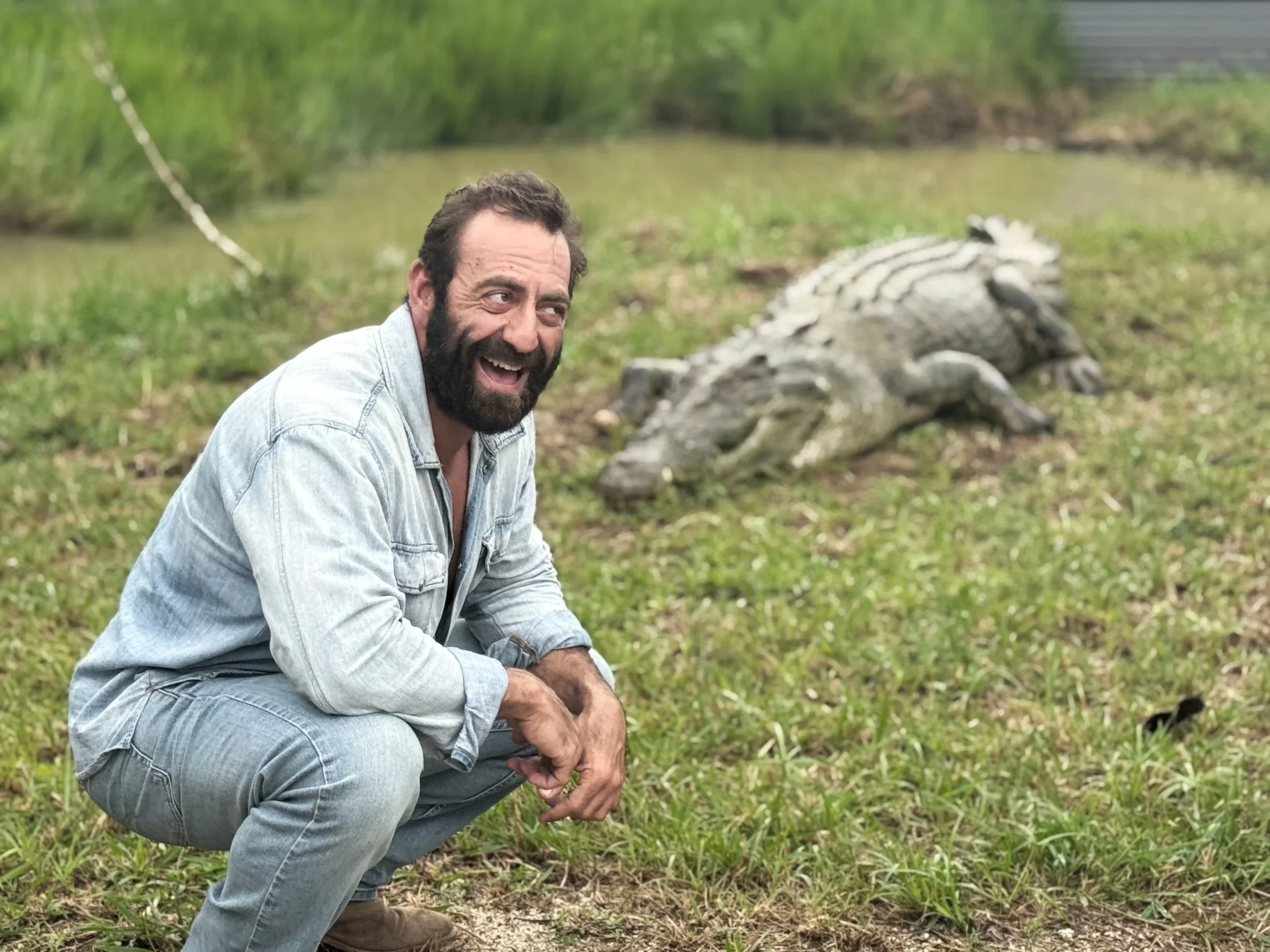
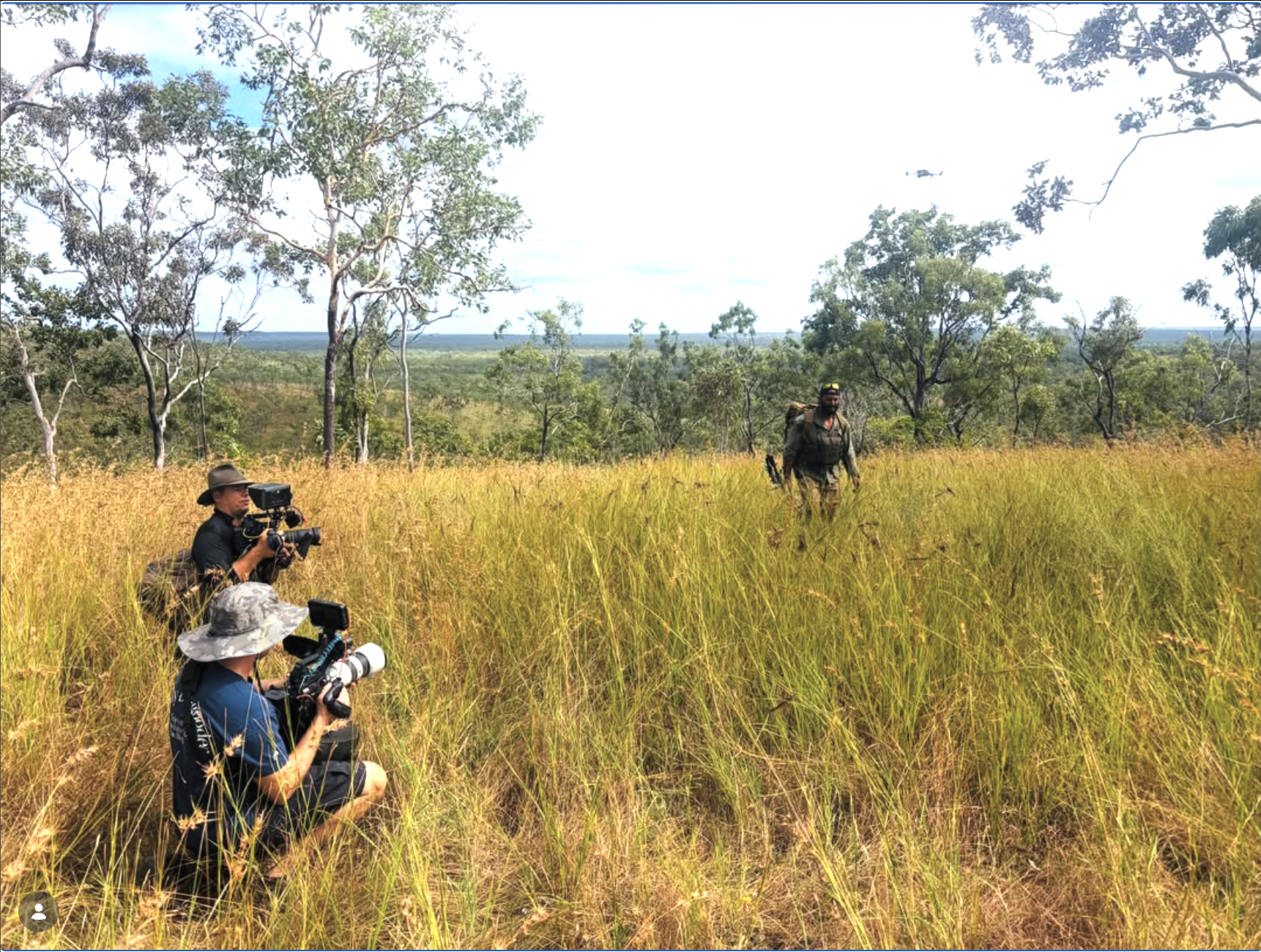
We chased water buffalo through vast stretches of rugged country on the edge of Arnhem Land and filmed in crocodile-inhabited waters on the Daintree River. I swam in the crystal-clear waters of Bremer Bay, filmed in the red dust of Cobar in western New South Wales, and had a close encounter with a large brown snake that served as a reminder that Australia's wilderness always deserves respect.
THE CHALLENGES OF FILMING IN REMOTE LOCATIONS
The biggest challenge as a cinematographer wasn’t simply capturing beautiful images. It was navigating the constant tension between a run-and-gun documentary approach and the demands of a multi-camera reality production. The series often required coverage from multiple angles with multiple cameras while hunting and cooking in remote locations. We were regularly limited by what we could physically carry, power and operate. There simply wasn’t the capacity to bring enough gear to fully cover every setup in a traditional way, so decisions had to be made in real time about what mattered most in each moment.
On top of that, the conditions made controlled lighting impossible. Wind and rain meant we couldn’t reliably rig scrims or shape light, forcing us to work almost entirely with available light and whatever the environment gave us.
In the end, the environment dictated the approach as much as the schedule did.
Looking back, Deadliest Dinners was a once-in-a-lifetime experience.
It took me to places I never expected to see, pushed me creatively and physically, and reminded me why I love documentary filmmaking.
I can't wait for audiences to experience these incredible journeys when the series premieres.